

Why ICF Homes Are Safer, Quieter, and More Efficient in California
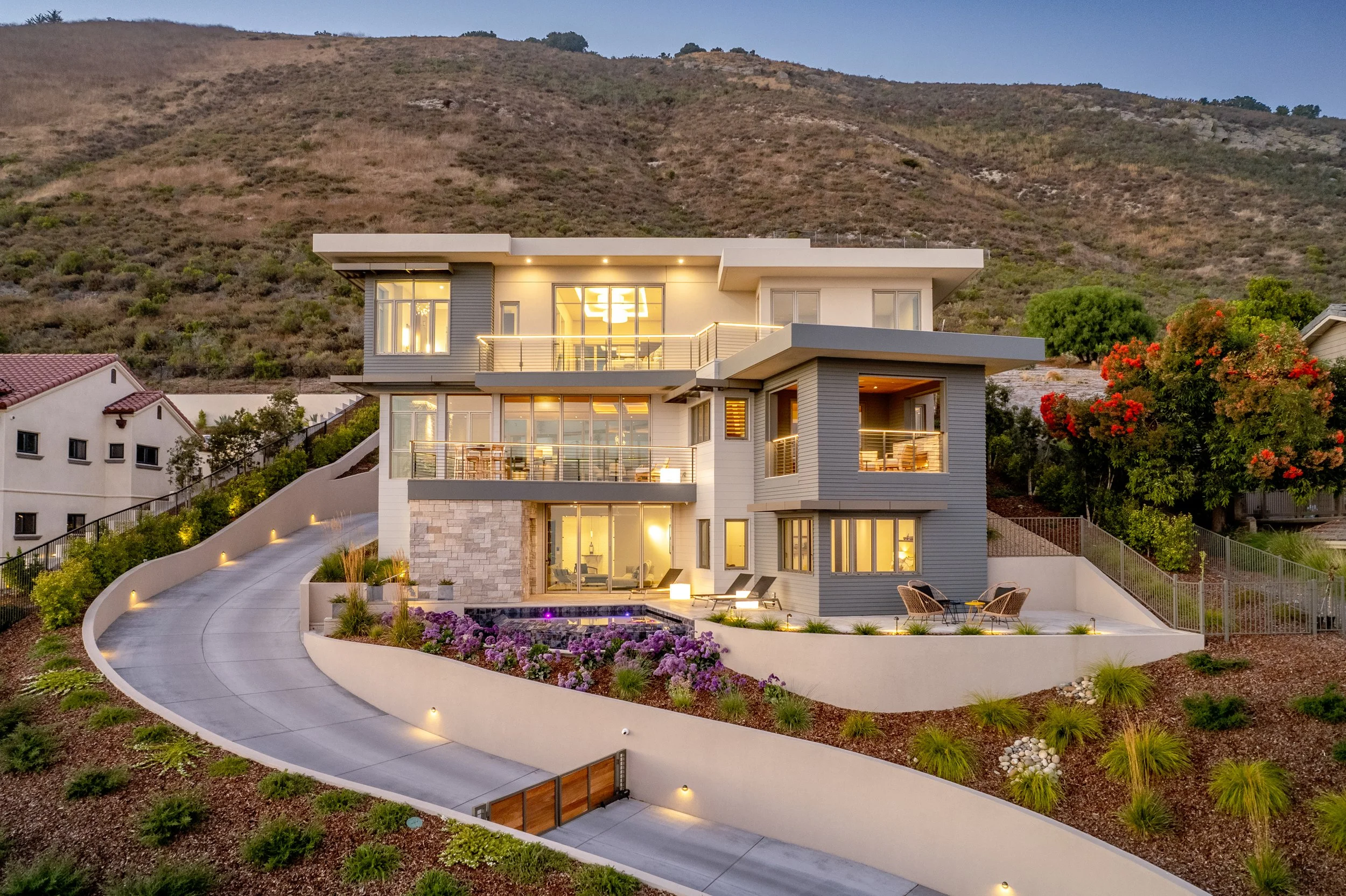
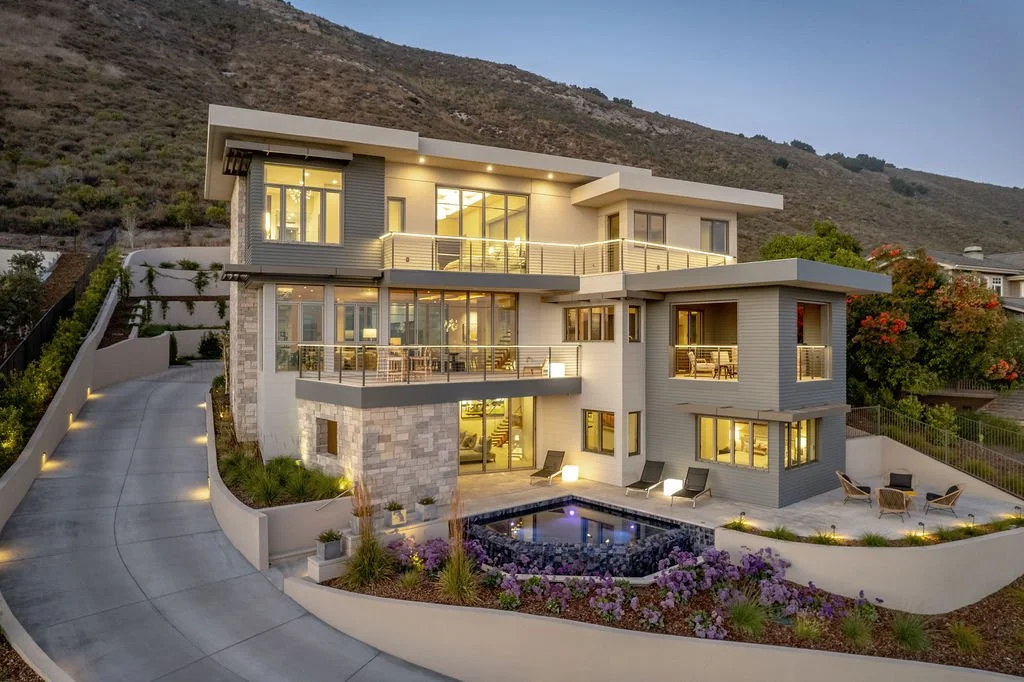
By Alex Ayuso, Arch. Associate at studio 2G Architects
The majority of residences, from custom homes to tract housing, are typically constructed using wood framing because it’s cost-effective and has a quick construction turn-around. However, with the current jurisdictional trends requiring new construction to have more robust energy efficient and fire protective measures, alternative construction methods are increasingly being considered to satisfy those requirements.
As a LEED-Certified architecture firm based in Central and Southern California, studio 2G Architects has found that framing a residence in ICF (Insulated Concrete Form) walls not only exceeds the aforementioned standards, but also provides additional performance benefits to your building systems.
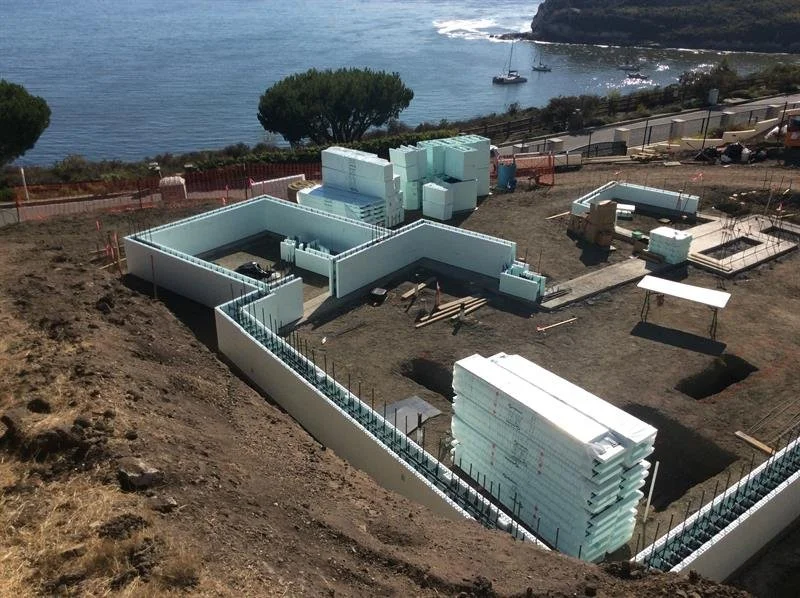
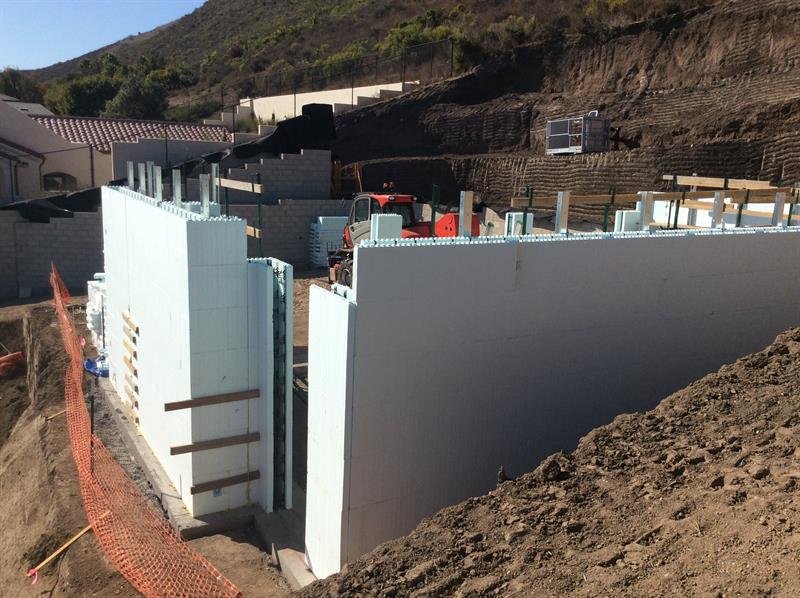
ICF bricks are stay-in-place blocks consisting of a steel-reinforced hollow core and sandwiched between foam insulation. These blocks are stacked and filled with concrete, creating a durable, highly efficient wall system that integrates structure, insulation, and resilience into a single assembly.
If you’re planning a custom home, there are several reasons why you should consider ICF walls early in the design process.
Benefits of the Wall System
Due to the unique assembly of ICF blocks, this system provides the opportunity to meet and exceed many of the typical performance requirements found in residential construction. By combining structure and insulation into a single assembly, ICF walls streamline construction while improving overall building performance.
Key benefits of the ICF system:
Construction Efficiency: Since the block system is both the structural frame and insulation layer, the construction timeline can be reduced compared to traditional multi-step wall assemblies.
Energy savings: ICF walls typically provide a minimum R-24 value, which significantly exceeds the insulation minimum R-19 to R-21 values! The result is a more consistent indoor temperature and can contribute to long-term energy savings.
Sound control: Due to mass and layered composition interior ICF walls can achieve a Sound Transmission Class rating of ~50, compared to that of wood construction, which often provides an STC of 30-35. This provides a quieter and more acoustically controlled interior environment.
Overall, ICF walls simplify construction while improving comfort, efficiency, and performance.
Natural Disaster Protection
Given California’s propensity to seismic activity and wildfires, ICF walls provide an inherent protection that can help reduce risk for most homeowners.
Seismic Resistance: The steel-reinforced concrete core offers tremendous resistance to seismic activity. Its core provides great strength and ductility, which allows it to absorb the load and retain structural integrity during intense activity. Since earthquakes generate lateral loads, the continuous and reinforced nature of ICF walls allows them to perform more reliably than many conventional framing systems.
Fire Resistance: A typical ICF wall system with a 6-inch concrete core can provide your entire home with a minimum 4-Hour fire-rating. This rating means that your wall can withstand 4 hours of direct exposure to high temperatures and direct flames before being at risk of performance failure. This far exceeds the existing 1-hour fire rating requirements for residential architecture. As a result, ICF construction can help alleviate wildfire worries due to its impressive resistance to fire. This level of fire resistance can also be a valuable consideration for homeowners in high-risk zones where insurance availability and long-term durability are key concerns.
Additional Application: Pool Construction
While ICF is often associated with residential wall systems, it can also be effectively utilized in pool construction For homeowners who don’t yet want to commit to having your entire residence composed of ICF walls, this can serve as a point of entry to the technology. Key advantages of ICF pool construction include:
Thermal Stability: High and continuous insulative properties would stabilize and retain the pool’s temperature
Durability: ICF wall concrete core and foam exterior provide greater strength and longevity than traditional pool construction
Construction Efficiency: Construction can easily infill and form the pool shape immediately after the pool pit is excavated
Finish Quality: ICF pools can offer more consistent smooth and waterproof wall finishes than other pool assemblies by applying pool liners and or plaster finishes over the pool plaster
If ICF Is So Great, Why Isn’t Everybody Using it?
This is a common and valid question. If ICF offers so many benefits, why isn’t it the conventional approach for residential construction? The answer is simple. ICF is not a plug-and-play system for all.
Unlike conventional wood framing, it requires a higher level of coordination between architects, engineers, and contractors; as well as familiarity with the nuances of the product.
At studio 2G Architects, we bring the experience and technical understanding necessary to successfully implement ICF systems. Our team works closely with consultants and builders to ensure that each project is properly detailed and executed to fully realize the system’s performance advantages.
As residential construction continues to evolve in response to stricter codes and environmental challenges, systems like ICF offer a compelling alternative to traditional methods. By integrating structure, insulation, and resilience into a single system, ICF construction provides long-term value for homeowners seeking durability, efficiency, and performance.
Considering ICF?
If you are considering ICF for your next project, studio 2G Architects can help you evaluate whether it is the right fit and guide you through the design and construction process.