

5 Reasons to Involve a Contractor Early in the Residential Design Process
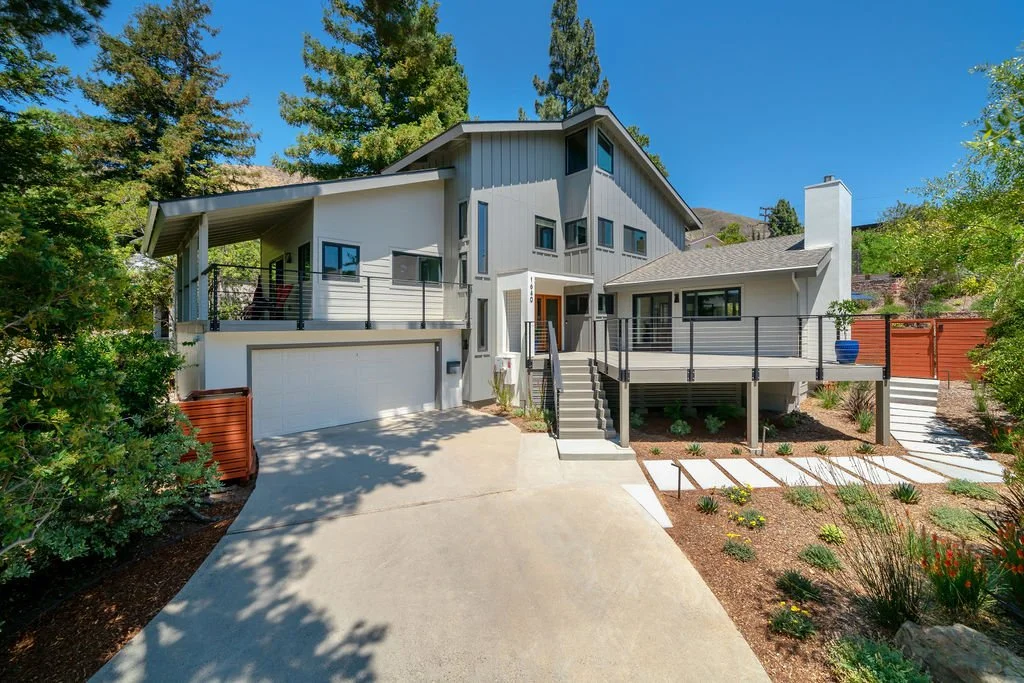
El Cerrito Residential Project. Photography by David Lalush.
Most homeowners assume the process goes like this: hire an architect, complete the design, then find a contractor to build it. While that sequence can work, we’ve found time and time again that residential projects run more smoothly, stay closer to budget, and involve far fewer surprises when a contractor is brought in early in the design process.
At studio 2G Architects, many of our residential clients come to us first, which is a great place to start. As the design takes shape, however, projects benefit greatly when homeowners are already thinking about contractors and are prepared to engage one at the beginning of the design process. This approach creates a more collaborative process, supports smarter decision-making, and leads to homes that are beautifully designed and thoughtfully informed by real-world construction insight.
If you’re planning a custom home, renovation, or addition, here are five reasons to start looking at contractors early so you can be ready to hire one early in the design process.
1. More Accurate Budgeting From the Beginning
One of the most common pain points in residential projects is budget misalignment. When a contractor is involved during the early stages of design, cost discussions happen while the design is still flexible.
This allows the team to:
Establish a realistic construction budget early
Align square footage, materials, and systems with that budget
Identify high-cost design elements before drawings are finalized
Rather than designing in isolation and adjusting later, the project evolves with real-world pricing in mind, saving time, money, and frustration.
2. Better Design Decisions That Support Construction
A contractor brings hands-on, practical knowledge that complements architectural design. Early input helps inform decisions around:
Structural systems and framing methods
Material selections and lead times
Custom details versus off-the-shelf solutions
Construction sequencing and site logistics
This collaboration allows the design team to make informed choices early, resulting in a design that balances aesthetics, performance, and constructability without compromising your vision.
3. Fewer Surprises Once Construction Begins
Many construction challenges arise from unknowns that were not addressed early enough. Bringing a contractor into the conversation during design helps uncover potential issues before construction begins, when they are far easier and less expensive to resolve.
This proactive approach can help reduce:
Costly change orders
Schedule delays
Redesigns during construction
The result is a smoother transition from design to construction and fewer surprises along the way.
4. More Efficient Overall Timeline
When architects and contractors collaborate early, the entire project timeline becomes more efficient. Early coordination often leads to:
Fewer late-stage design revisions
Clearer scopes of work
A smoother handoff from design to construction
More efficient responses during permitting and approvals
Involving a contractor during design helps keep your residential project moving forward with greater clarity and fewer interruptions.
5. Stronger, More Aligned Project Team
Residential projects are highly personal, and a strong team dynamic matters. Thinking about your contractor early and involving them as design progresses helps establish:
Clear communication between all parties
Shared expectations around cost, scope, and schedule
A foundation of trust before construction begins
When the architect and contractor are aligned early, decisions happen faster, collaboration improves, and the overall experience is far less stressful for homeowners.
What If I Don’t Have a Contractor Yet?
That’s completely normal. Many residential clients begin the process by hiring an architect first, and we fully support that approach. We also encourage homeowners to start conversations with contractors as soon as possible so they are prepared to bring one on board at the right time.
Architecture works best as a collaborative effort. When architects and contractors work together early in the design process, the result is a home that is thoughtfully designed, well-built, and alighome that is thoughtfully designedd goals.
Planning a residential project? We’re always happy to talk through team structure, timing, and how to prepare for a successful transition from design to construction. Share more about your project here.